Films and series set in Veneto. And what the Italian sounds like.
168 films and series set here, 29 with their speech described.
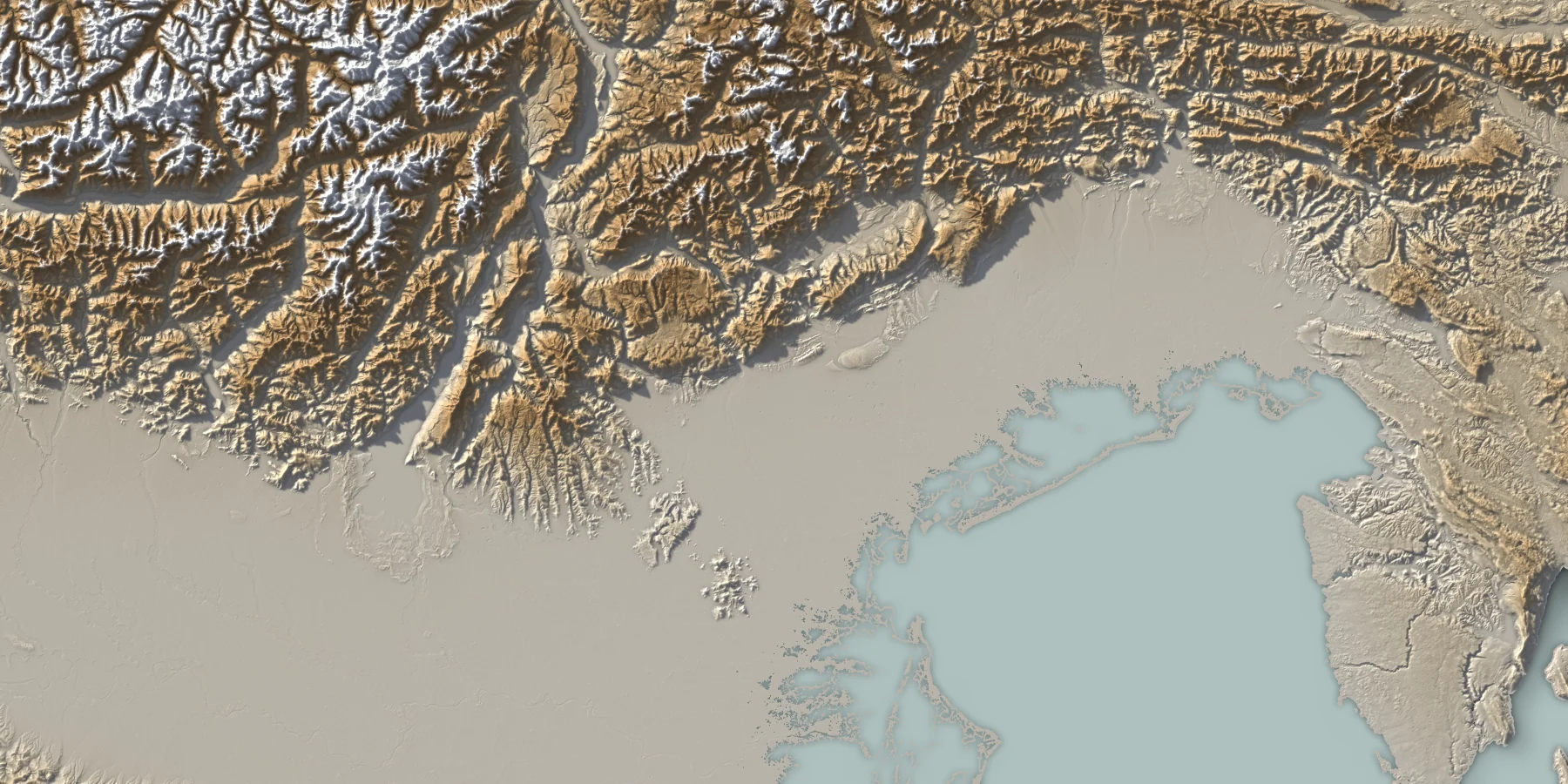
- 168 titles set in Veneto · click a dot to filter
- 1VeneziaOdio il Natale98
- 2VeronaFratelli d'Italia11
- 3Cortina d'AmpezzoVacanze di Natale9
- 4PadovaLa giusta distanza8
- 5ValdobbiadeneDieci inverni1
Relief: Copernicus EU-DEM (modified; not endorsed by the European Union) and ETOPO1. Boundaries: Natural Earth. Settings: Wikidata and Italian and English Wikipedia (CC BY-SA 4.0). Sources
Two titles are set in more than one town here and appear under each pill they belong to, so the pills above total 170 against Everywhere's 168.
The figure is an average per day across the five years to July 2026. Lookups — not viewings, not ticket sales, not streams.
Set here, not shot here. A title is on this page because its record says the story takes place in this region. Where the camera stood is a fact about a production, not about the work, and counting it moves 80 titles onto pages they have nothing to do with.
- #1798avg. daily Wikipedia article visits
Rai prime-time fiction shot in the Dolomites: everyone speaks standard Italian, with at most a light northern colouring on some local minor characters and occasional German/Ladin place-names in the mountain setting.
Normal conversational pace with clean, well-articulated network delivery; family scenes bring some overlap but interruption is not the house style.
- #2310avg. daily Wikipedia article visits
The Roman characters speak standard Italian heavily coloured by Romanesco lexicon and pronunciation, with a Milanese family supplying northern regional colour; grammar stays largely standard so lines remain followable.
Fast comic delivery with characters talking over each other in group scenes, plus rapid-fire gag exchanges and shouted family arguments.
- #3287avg. daily Wikipedia article visits
Set in the Veneto hinterland and the two older drinkers speak a strongly Veneto-coloured Italian — local lexicon, local interjections and cadence over broadly standard grammar — while the young student's speech is closer to standard, so a learner follows the sense but loses the flavour and the occasional fully dialect line.
Normal conversational pace with the slack of half-drunk rambling; some overlap between the two older men but rarely genuine cross-talk.
- #4243avg. daily Wikipedia article visits
Set in Chioggia in the Veneto, and the setting shows in accent and occasional regional colour, but the cast speaks standard Italian throughout.
Normal conversational speed with brisk comic delivery and some overlap at crowded family and party scenes, but individual exchanges stay clear.
- #5230avg. daily Wikipedia article visits
Checco's speech is strongly Apulian/Barese in accent, cadence and scattered local lexicon, but the grammar stays standard and the northern and resort characters around him speak plain Italian, so a learner follows the sense while losing some colour.
Normal conversational speed with bursts of rapid comic delivery, but the gags need to land so lines are mostly delivered one at a time rather than over each other.
- #6184avg. daily Wikipedia article visits
Stated languages: cinese, francese, italiano, lingua napoletana
Nearly all the speech is Neapolitan as spoken among the Scampia and Casal di Principe characters, not Italian with an accent, and the film circulated in Italy with Italian subtitles.
Confrontations, courtyard scenes and the two boys' scenes are shouted fast with heavy interruption and speakers talking across each other.
- #7174avg. daily Wikipedia article visits
Everyone speaks standard Italian; Rosalba and her family carry an Abruzzese colouring and the Venetian characters a local accent, with only scattered regional turns of phrase, no shift out of standard Italian.
Normal conversational speed with some overlap in the family and restaurant scenes, slowed by Fernando's measured, unhurried delivery.
- #8158avg. daily Wikipedia article visits
Set in Venice and the lagoon, but the cast speaks standard Italian throughout with at most light Veneto accent and the odd local expression from minor characters.
Normal Rai prime-time conversational rhythm, articulated clearly for broadcast, with overlap only in heated confrontations.
- #9146avg. daily Wikipedia article visits
Village characters speak standard Italian carried on a strong northern, Po-valley accent with scattered local tags and exclamations, but the grammar stays standard and lines remain followable.
Normal conversational pace with some overlap in the shop and family scenes; the flirtation scenes are unhurried two-handers.
- #10136avg. daily Wikipedia article visits
The Sordi episode's greengrocer couple speak popular Roman — standard grammar carried on thick Romanesco phonology and local lexical habits — while the other two segments and the museum/hotel people around them speak standard Italian.
Normal conversational speed with the overlap typical of a married couple talking across each other, but the comic timing keeps lines separable rather than piling them up.
Darker means more titles set there.
- Lazio1,228 titles
- Campania516 titles
- Lombardia422 titles
- Sicilia304 titles
- Toscana235 titles
- Emilia-Romagna186 titles
- Piemonte173 titles
- Veneto168 titles
- Puglia105 titles
- Liguria83 titles
- Sardegna53 titles
- Abruzzo43 titles
- Calabria43 titles
- Friuli-Venezia Giulia42 titles
- Umbria42 titles
- Marche36 titles
- Basilicata27 titles
- Trentino-Alto Adige27 titles
- Valle d'Aosta9 titles
- Molise5 titles
Catalogue information may be incomplete. Sources and methodology
Find your starting point. Estimate your Italian vocabulary.
Take the quizFree vocabulary quiz. No signup required.